The scariest thing about plastic pollution this Halloween? It’s not what’s washing up on our riverbanks. It’s how quiet it’s become.
Once, plastic was the villain everyone could agree on. Single-use was the Word of the Year in 2018. Blue Planet II triggered government pledges, product bans, and mass behavioural change. It was a rare moment when outrage and optimism aligned. And it worked.
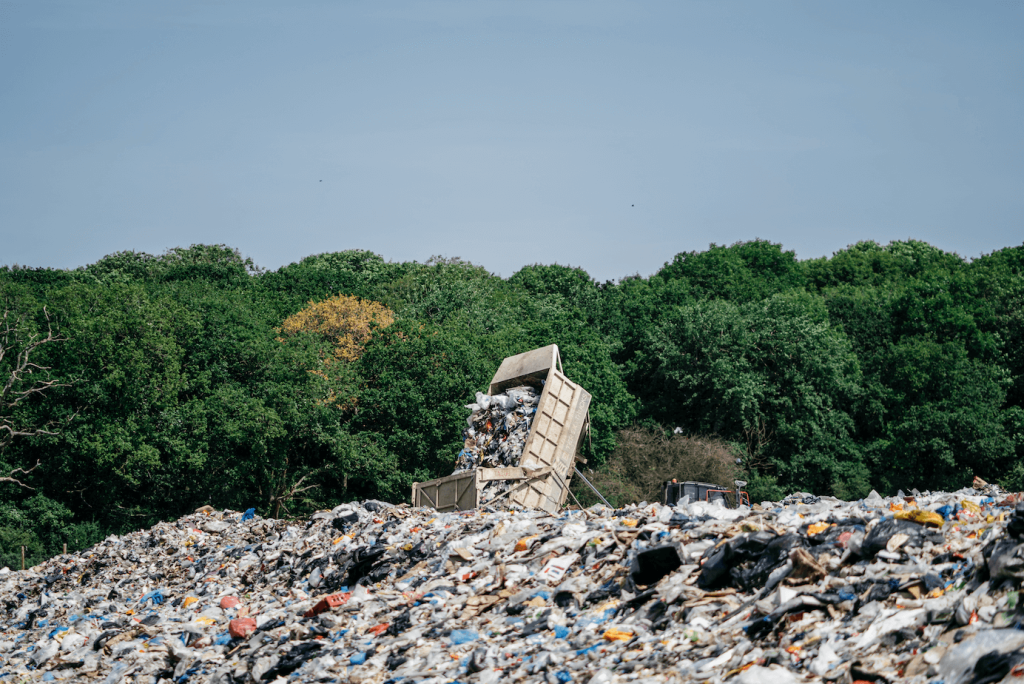
Fast forward to 2025. Plastic pollution has doubled. Global treaty talks have stalled. And yet, we’ve stopped talking.
Plastic fatigue is real
The data is clear. Plastic remains a vital issue for governments, activists, and the public. People still support regulation and action. But the momentum behind that conversation has faded.
Analysis of hundreds of thousands of posts shows a sharp drop in online discussion and emotional engagement. The big spikes now happen only around global events or disasters, not everyday conversation.
Plastic pollution hasn’t disappeared. It’s just fallen off the feed. That’s the scary part. When even a crisis this visible can fade from the public’s mind, it says something bigger about the world we’re communicating in. And what brands are up against.
Attention is a climate emergency
We live in an age of permanent distraction. Every crises competes for a single swipe of empathy. Stories about plastic pollution that once shocked us now blend into the endless scroll of climate headlines.
For brands, it’s a warning: when a message gets too familiar, it stops working. And in advertising, familiarity is the silent killer of relevance.
What brands can learn from plastic pollution
In a world of fractured attention, the biggest risk isn’t being disliked. It’s being ignored. Here’s how brands can stay culturally alive, even when fatigue sets in.
- Make the familiar feel new again
People don’t need more facts. They need to feel something. Use creativity to shift the narrative to something completely new and unexpected. - Bring it close to home.
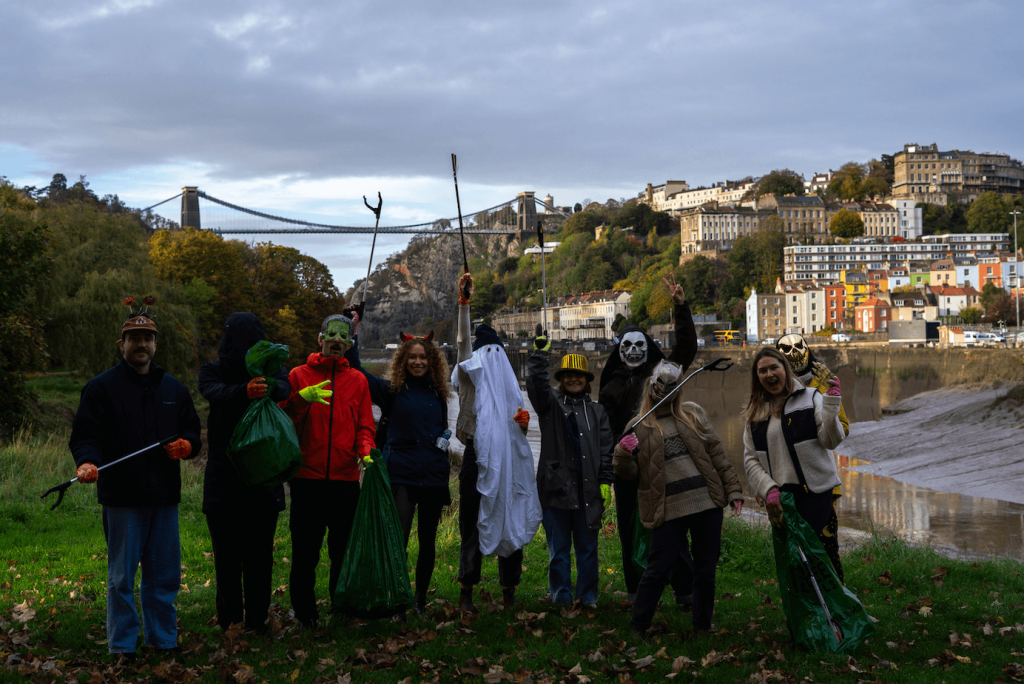
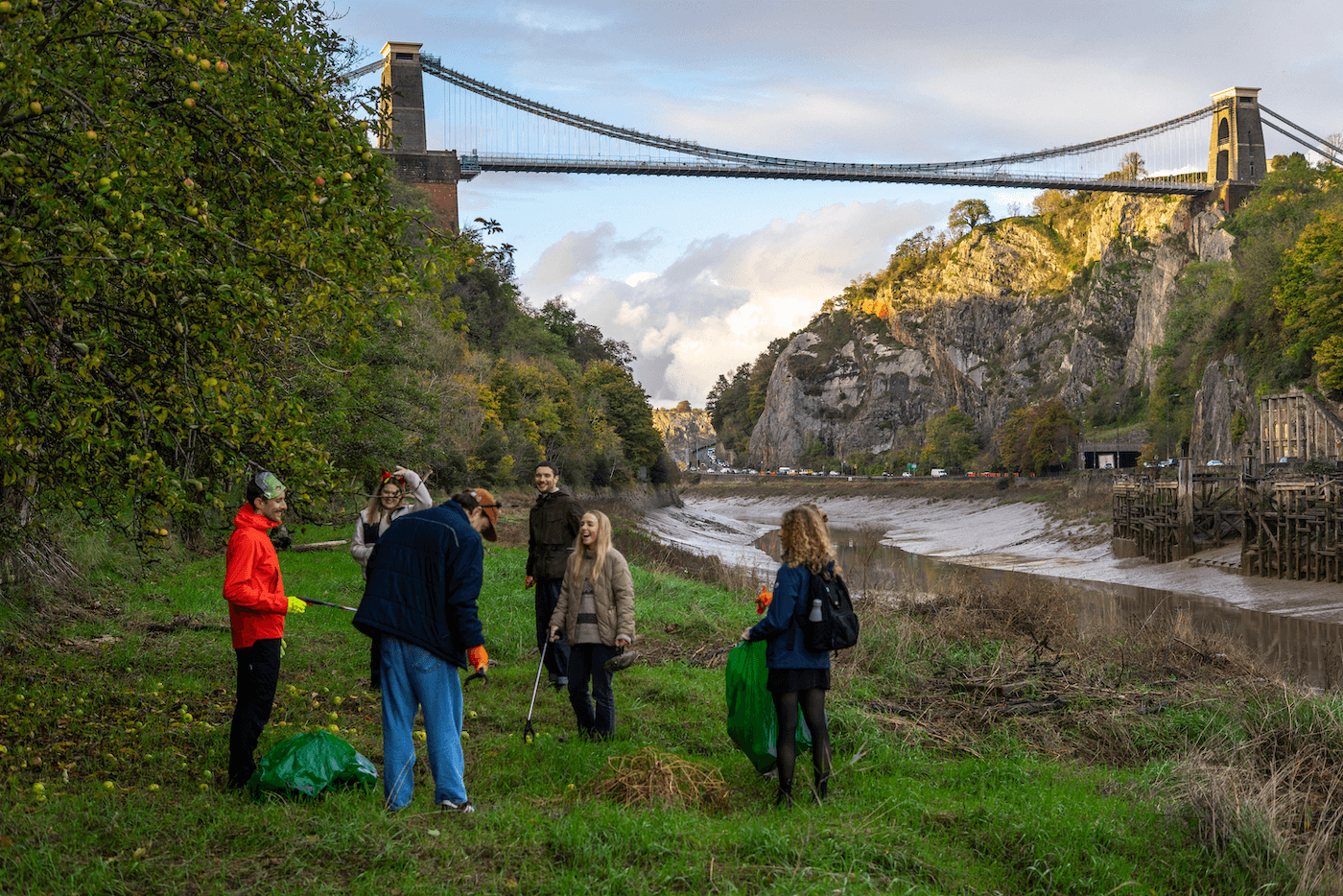
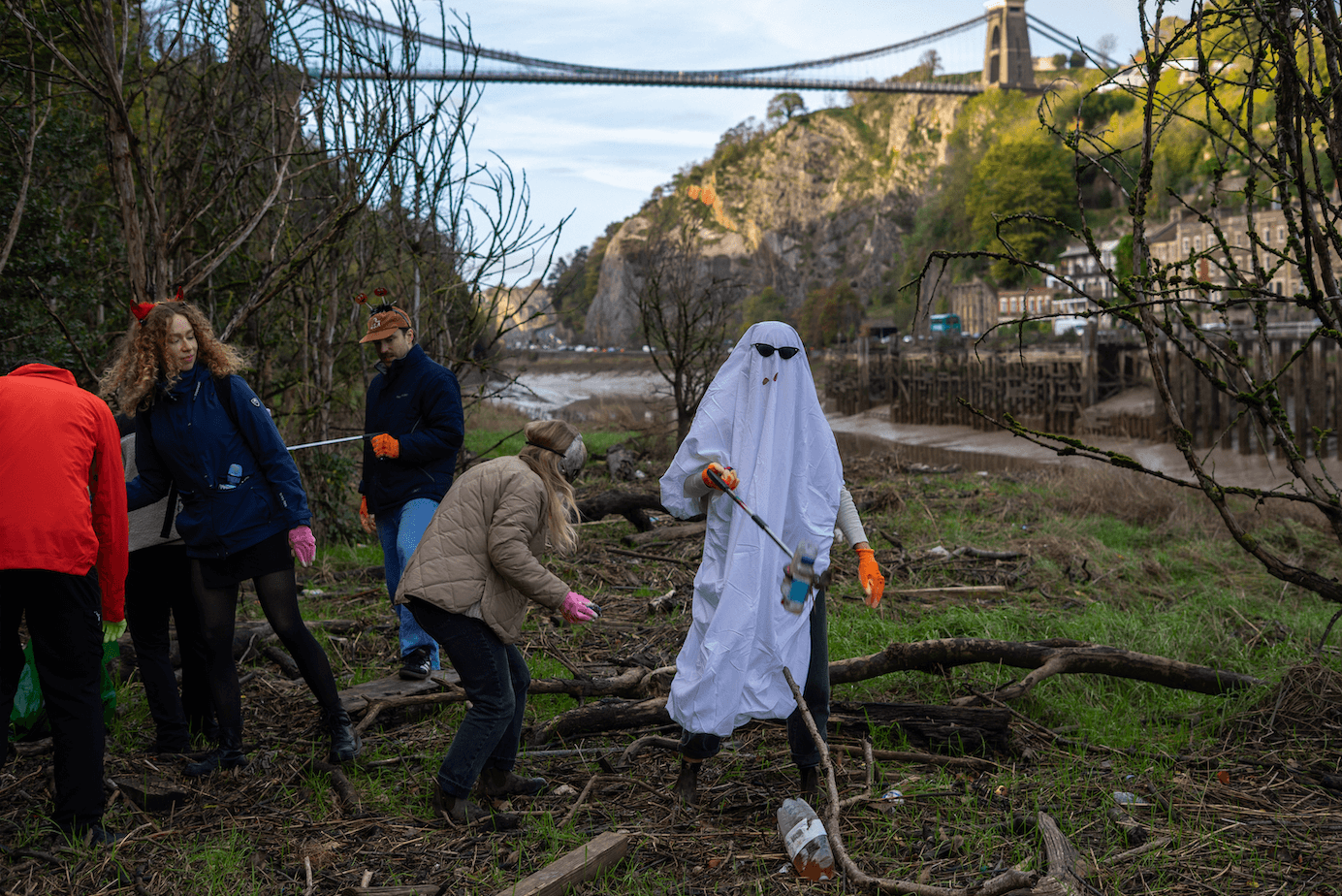
Most people won’t see ocean plastics on their way to work, but they will walk past a crisp packet stuck in a hedge. Show them their world, not just the world. Our team took part in a “Spooky Litter Pick” along the River Avon. We filled 10 bags in just 50 metres. Everything from tiny fragments to bottles and wrappers. It was local, real, and uncomfortable.
- Reignite emotion, not just awareness.
Campaigns that provoke, delight, or even disturb are the ones that cut through. People remember what makes them feel, not what tells them to care. - Collaborate to build cultural moments
No one owns this space alone. The brands that drive real impact are those that co-create with NGOs, scientists, and communities. - Be radically transparent
Vague promises don’t work. Back your commitments with evidence and metrics. Let your audience see the progress and the imperfections.

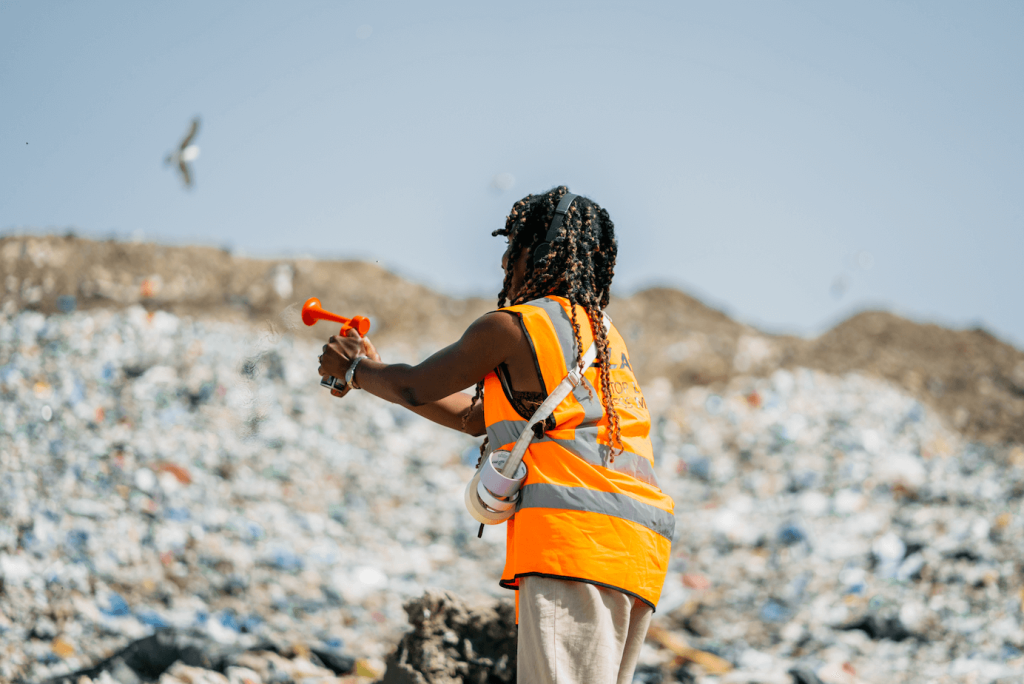
BTS photos from Greenpeace courtesy of Isabelle Povey
Our creative fight against plastic fatigue
At Enviral, we’ve been in this fight before. But never in the same way twice.
We helped Greenpeace launch The Big Plastic Count, a campaign that turned household waste into a national wake up call. We supported Boston Tea Party’s Million Cup Campaign, holding big coffee brands to account with a call to ban single use coffee cups.
Now, we’re working with a new wave of circular-economy and marine-waste clients. From packaging and reuse systems to redistributing old tech to the digitally excluded, we’re helping them turn system change into cultural relevance.
Plastic pollution is still under our feet, in our rivers, and, most dangerously, out of our minds. For brands, the same is true of attention. Once it’s gone, getting it back takes bold creativity to get people talking again. Want to talk about how your brand can stop global yawning? Get in touch with our team.